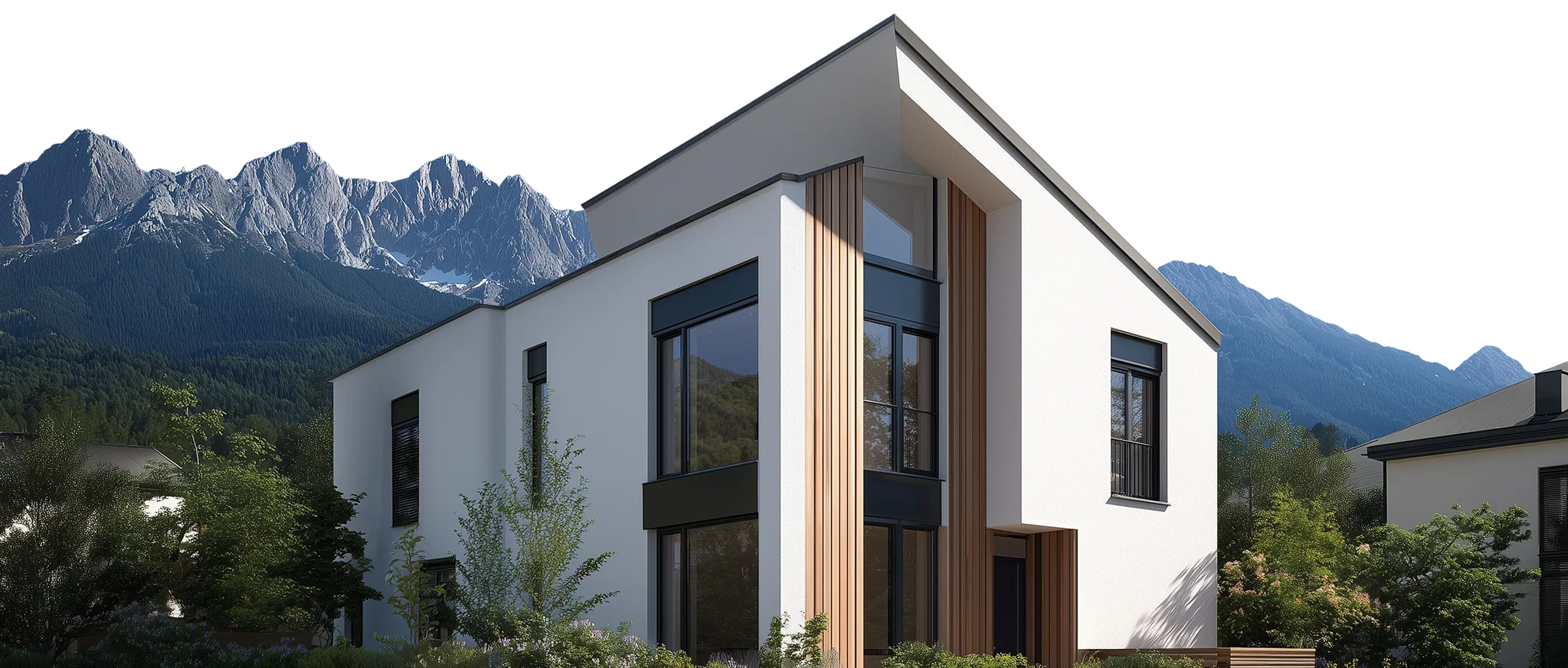
Why Location Remains A Key Investment Factor
Location continues to be one of the most important factors influencing real estate investment performance. While property features, design, and condition all contribute to value, location often plays the largest role in determining long term appreciation, rental demand, and overall investment potential.
Properties located near transportation networks, business districts, educational institutions, and lifestyle amenities often attract stronger buyer interest and maintain greater market stability over time across different regions.
Location remains one of the strongest drivers of property value, influencing demand, rental performance, and long term investment potential across different markets.
Accessibility And Everyday Convenience
Accessibility can significantly impact property performance. Areas with convenient public transportation, walkable streets, and easy access to services often appeal to a wider range of buyers and renters across different markets.
Properties located near restaurants, retail destinations, healthcare facilities, and recreational spaces frequently maintain stronger demand compared to less connected locations. Convenience continues to influence both purchasing decisions and rental activity across residential markets over time.
Rental Demand And Occupancy Rates
Investment returns are often closely linked to rental demand. Locations with growing populations, employment opportunities, and strong infrastructure typically experience more consistent occupancy levels and rental activity.
Investors often focus on neighborhoods where long term demand remains supported by economic growth, transportation improvements, and local development projects. These factors can contribute to greater stability and stronger rental performance over time in residential markets globally.
Long Term Property Appreciation
Property values tend to increase differently across locations. Some areas benefit from infrastructure investment, business expansion, tourism activity, or population growth, all of which can influence long term appreciation over time.
Emerging neighborhoods may offer opportunities for future growth, while established districts often provide stability and consistent market demand. Understanding these differences can help investors evaluate potential returns more effectively before making important long term investment decisions.
Evaluating Local Market Conditions
Successful investors often analyze local market conditions before making purchasing decisions. Factors such as supply and demand, development activity, transportation access, and neighborhood improvements can influence future property performance across different regions and market segments.
Researching market trends and understanding regional growth patterns may help identify areas with stronger investment potential and long term value creation opportunities while reducing uncertainty and supporting more informed investment decisions over time in both established and emerging markets.
Location And Investment Strategy
Researching market trends and understanding regional growth patterns may help identify areas with stronger investment potential and long term value creation opportunities while reducing uncertainty and supporting more informed investment decisions over time across changing market conditions and cycles.
Matching investment goals with the characteristics of a specific location can improve decision making and help create a more balanced real estate portfolio.
Conclusion
Location continues to play a central role in determining real estate investment returns. Factors such as accessibility, rental demand, infrastructure development, and long term market growth all contribute to property performance. Investors who carefully evaluate location alongside broader market conditions are often better positioned to make informed and confident investment decisions.